AAC 2026 SPEAKERS
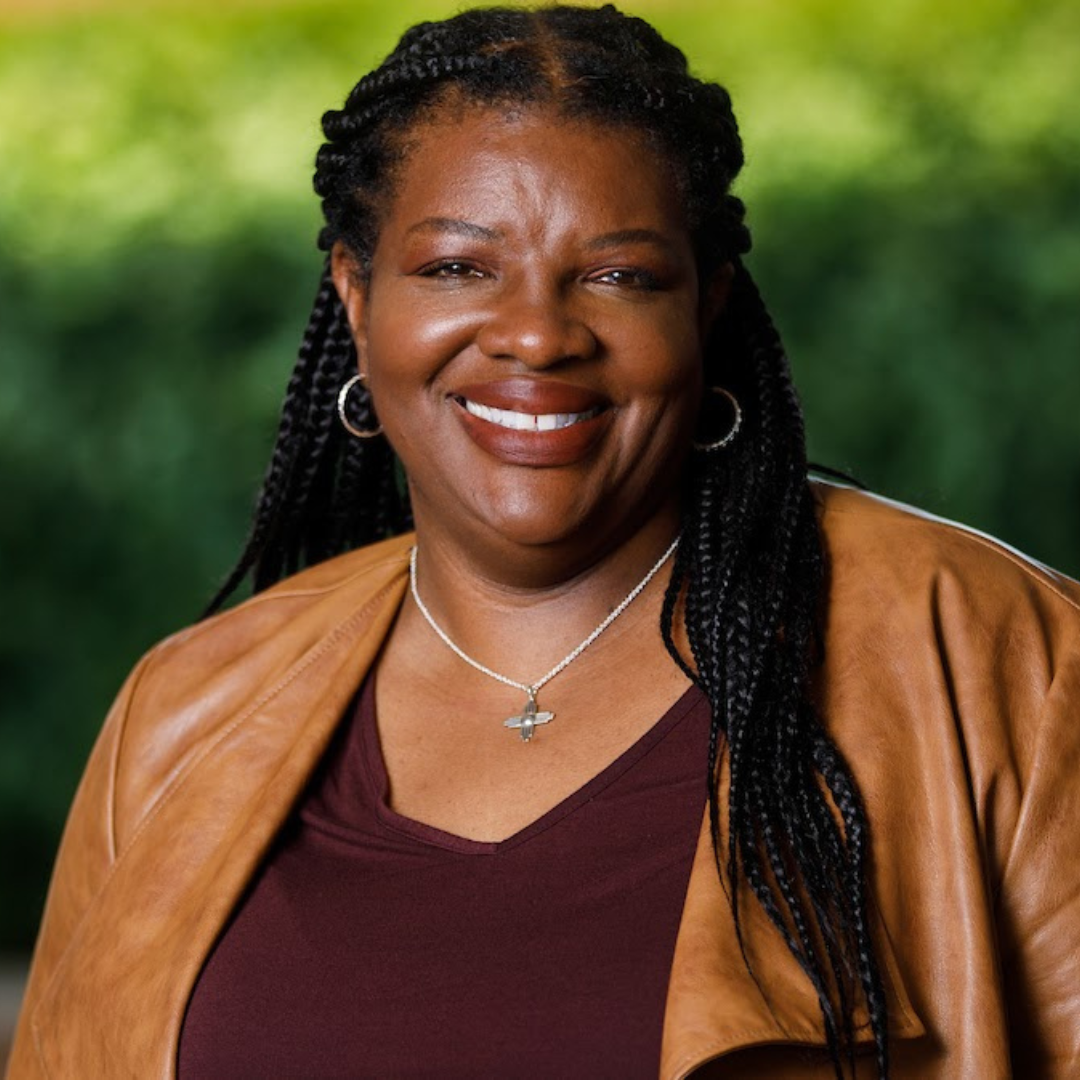
Alires J.
Almon, MA
Presenter Bio:
Alires Almon is a space researcher and social scientist exploring how humans adapt, collaborate, and thrive in isolated, confined, and extreme environments. Her work integrates agent-based modeling, behavioral science, and complex systems to study trust, resilience, and team dynamics for long-duration space missions. Through projects spanning analog missions and AI-driven simulations, Alires examines how human and technological systems co-evolve to shape the future of exploration. Her research informs mission design, governance, and ethical frameworks for sustainable life and leadership beyond Earth.
Session Title:
Designing for the Edge - The Hidden Influences of Systemic Hierarchies that Shape the Analog mission experience
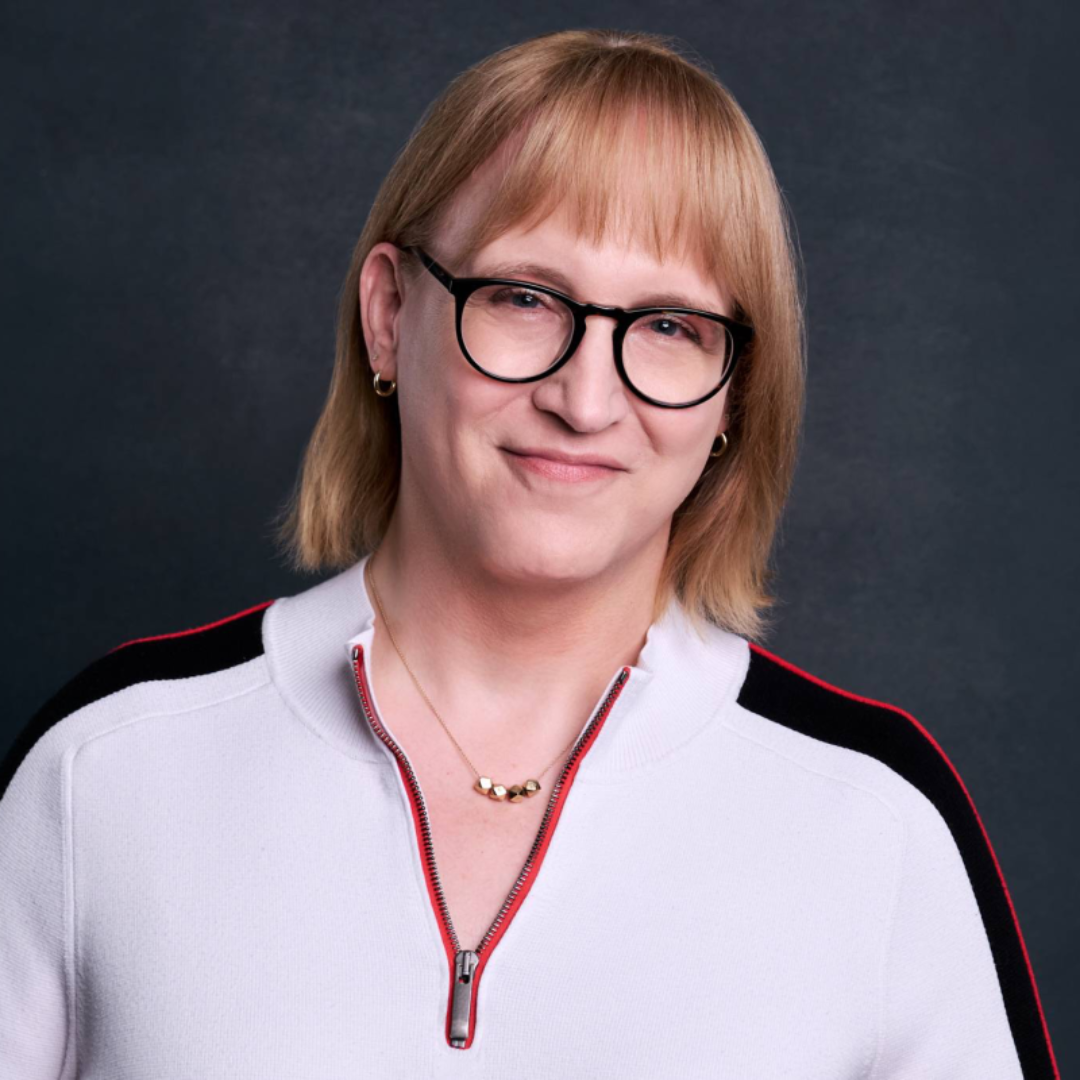
Allyson
Dylan Robinson
Presenter Bio:
Allyson Dylan Robinson is Director of Culture Activation at Microsoft, where she helps complex, global organizations translate ambitious values and governance aspirations into the systems and practices that shape everyday work. She began her career as an aerospace engineer and Army air and missile defense officer, working on Mars Odyssey–related instrumentation at Los Alamos National Laboratory and later advising on human factors and extended‑engagement capabilities for the PATRIOT missile system—experience that anchored a career‑long focus on how technical architectures and human systems interact.
Across roles at Amazon Robotics, the autonomous vehicle company Cruise, and now Microsoft, Allyson’s work has centered on embedding equity, ethics, and resilience into socio‑technical systems, from AI decision-making frameworks to large-scale organizational cultures. Her current research applies that lens to life support systems in early off‑Earth settlements, examining how design choices about control, information, and hackability can either make communities vulnerable to authoritarian governance or preserve meaningful options for collective self‑determination.
Allyson is a graduate of the United States Military Academy at West Point, where she studied engineering physics and nuclear engineering, and later completed a master’s degree at Baylor University, with additional study at Embry‑Riddle Aeronautical University and the University of Oxford. She has spent much of her career working in and alongside global, highly regulated, high stakes environments and is an avid hiker and backpacker, with experiences that include trekking Nepal’s Annapurna Circuit and a rim‑to‑rim crossing of the Grand Canyon in a single day. She brings a practitioner’s eye for connecting strategy, data, and lived experience into clear, actionable narratives for leaders, technologists, and mission crews.
Session Title:
Authoritarian Plumbing, Democratic Possibilities: How Life Support Design Shapes Governance in Early Space Settlements
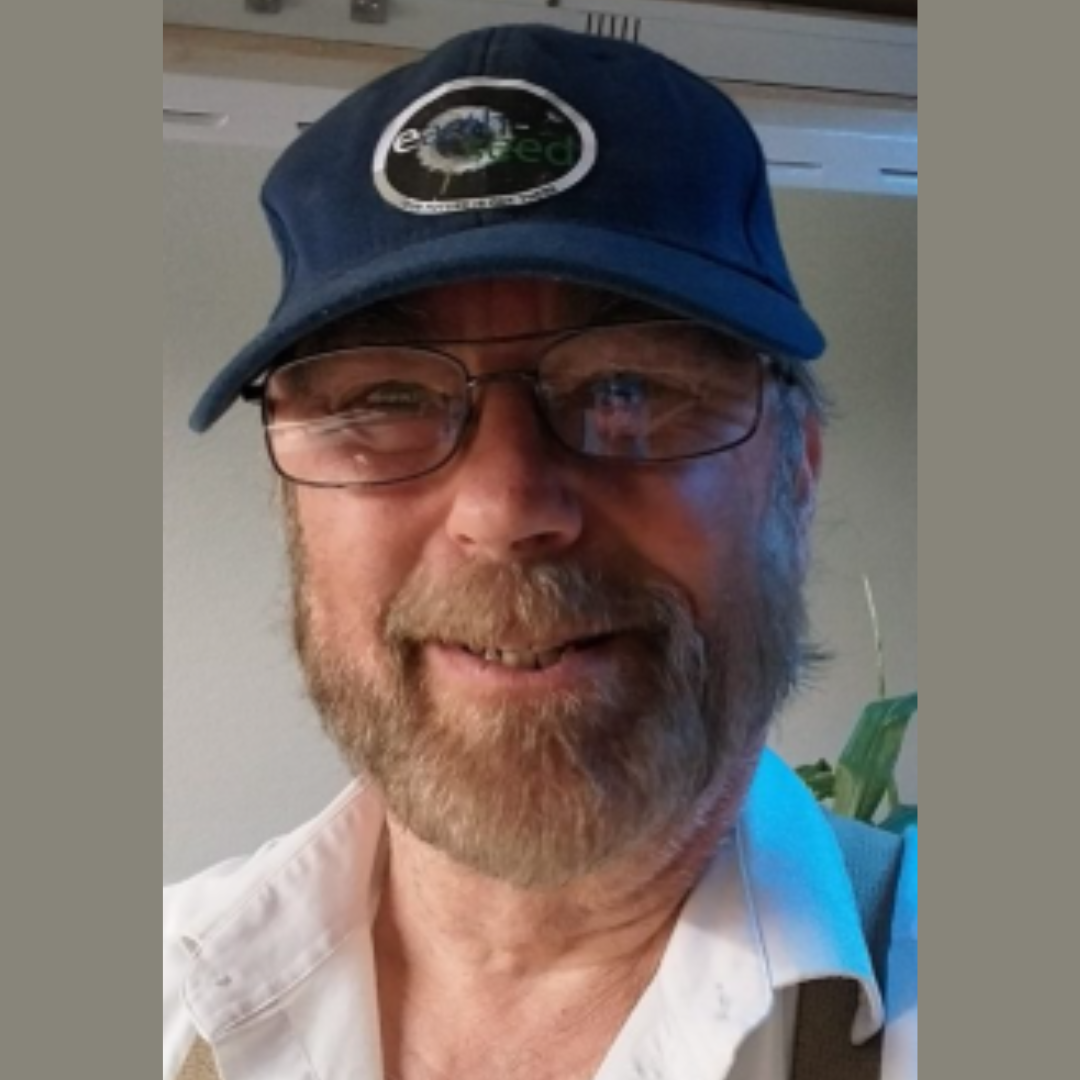
Donald
Jacques
Presenter Bio:
For the past 15 years Don has been building an ecological, biological life support system. He has been refining this system in his Mobile Analog Space Habitat (MASH). The MASH has visited this conference before, and will be at AAC once more this May.
Donald Jacques has been an avid space geek since he watched enraptured when Apollo 11 landed on the moon. He is a veteran of the USAF, where he served as a loadmaster, and electrician for Civil Engineering. He spent 20 years as a computer programmer, 10 years as a ballroom dance instructor, and currently operates a handyman service in Phoenix, Arizona.
He has been a regular volunteer at MDRS for several years, participated as an analog astronaut in MDRS mission 286. As Chief Scientist at EarthSeed, Inc, he has been developing ecological living systems for applications in space habitats, most recently embodied in the Mobile Analog Space Habitat.
Session Title:
Overview: CIRES - Compact Intensive Regenerative Ecological System
Emily
Apollonio
Presenter Bio:
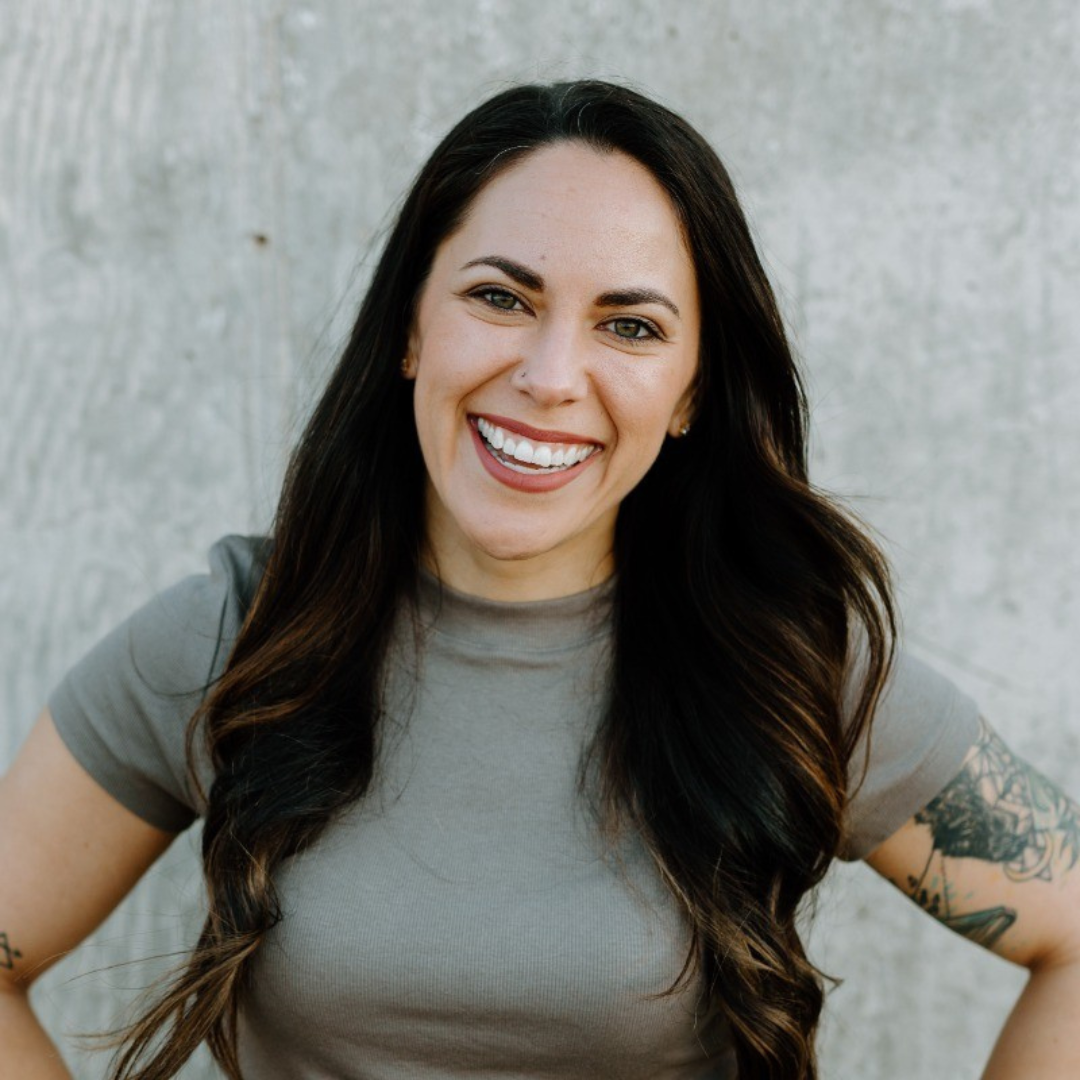
Emily Apollonio is the Founder and Director of Interstellar Performance Labs (IPL) at Fort Hill Group where she specializes in astronaut readiness, crew performance, and safety culture for analog missions. With over a decade of experience in accident investigation and human factors analysis, Emily has supported global analog programs through crew selection, training design, and operational risk evaluation. She spearheaded the International Guidelines and Standards for Space Analogs (IGSA) and leads the Analog Working Group initiative under OSMED (Organization for Space, Medicine, Engineering, and Design). Emily also leads development of the ASTRA Framework (Selection, Training, Reporting, Analysis), an integrated approach to professionalizing analog astronaut operations. She has participated in multiple analog missions and works across industry and academic partners to advance standardized, human-centered practices that strengthen mission success and crew well-being.
Session Title:
Building Mission-Ready Teams: Human Factors Lessons from WBA
Gopal
Katkoria
Presenter Bio:
Gopal Katkoria MD FACP, is a physician and researcher dedicated to advancing human health in space exploration. With board certification in Internal Medicine and extensive clinical and academic experience, Dr. Katkoria combines a decade of hospital medicine with a passion for aerospace medicine research.
Session Title:
Medical Anomalies in a Space Analog Habitat
Hayk
Aslanyan
Presenter Bio:
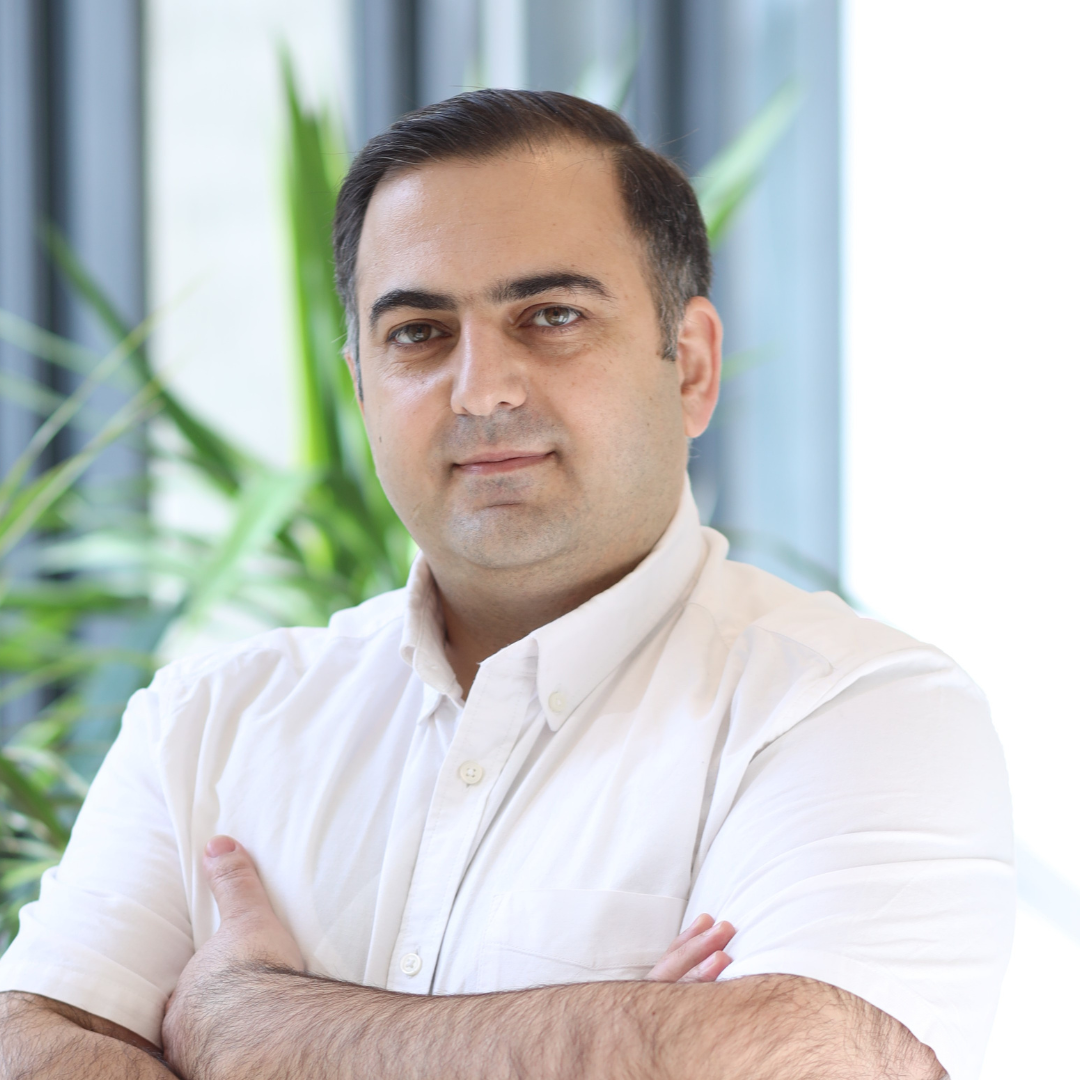
Hayk Aslanyan is the Founder of the Armenian Space Forum and a space industry strategist with more than 20 years of experience in satellite systems, national space policy, and ecosystem development.
He previously served as Head of Space Industry within the Government of Armenia, leading international cooperation initiatives and representing Armenia in engagements including the United Nations Office for Outer Space Affairs.
Hayk founded the Armenian Space Forum Foundation and Armash Moon/Mars Analog Research Station and served as host organizer of AMADEE-24 in cooperation with the Austrian Space Forum. His work focuses on operationalizing international collaboration in human spaceflight through analog missions, governance design, infrastructure development, and the integration of AI-enabled mission systems.
Session Title:
Governance, Infrastructure, and Execution: A Three-Stage Model for International Human–AI Collaborative Spaceflight
Jason
Kring
Presenter Bio:
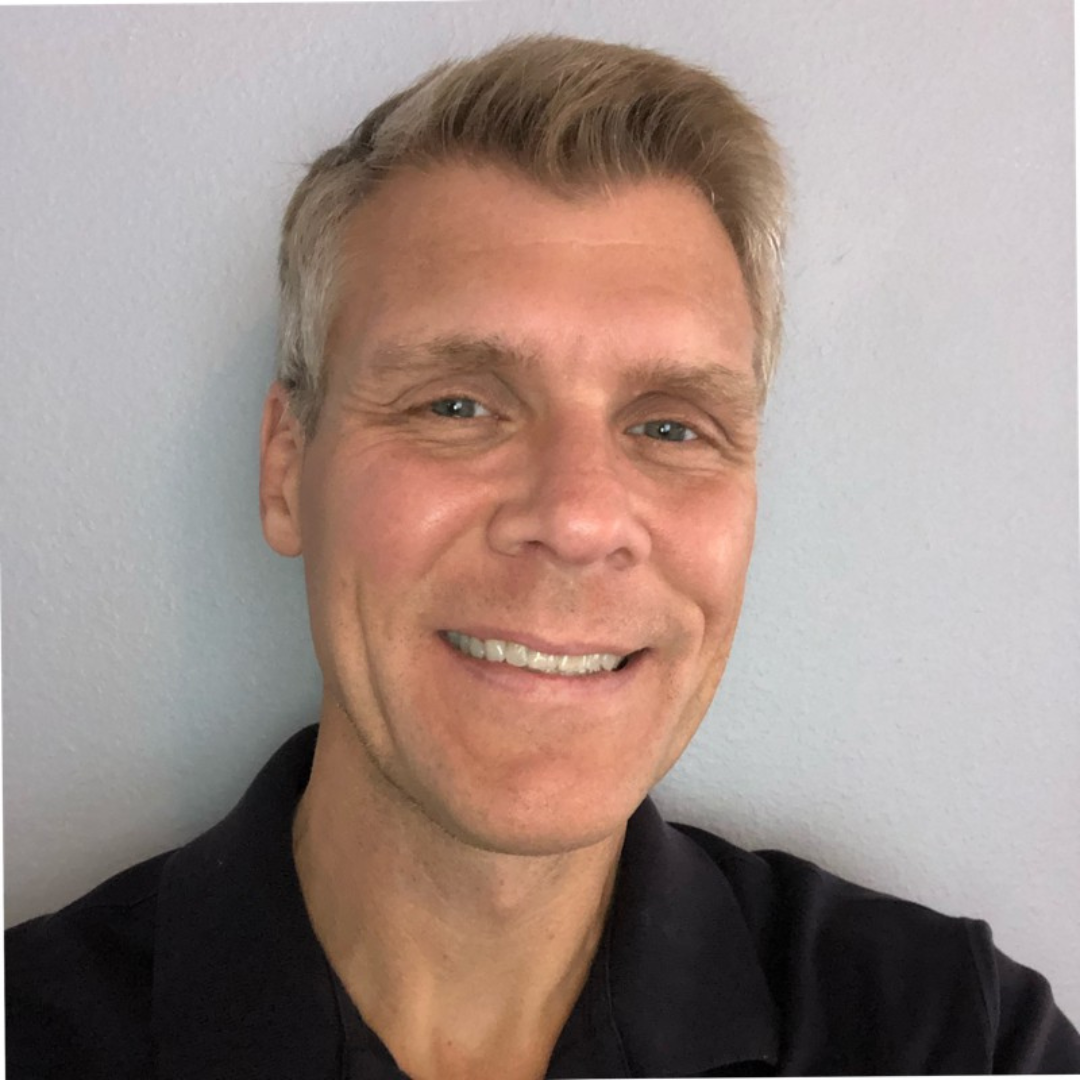
Dr. Jason Kring is the Director of Training at Fort Hill Group, Inc. where he develops and delivers training to customers in the aviation and aerospace communities. Current efforts are focused on supporting the FAA’s Air Traffic Organization (ATO) to deliver human factors training to air traffic controllers, analyze safety reports and incident investigations, and support the FAA’s Human Performance Team. Previously, Dr. Kring was an Associate Professor of Human Factors Psychology at Embry-Riddle Aeronautical University and focused his research on team performance in aerospace and extreme settings. He has a Ph.D. in Applied/Experimental Human Factors Psychology and over 16 years of experience teaching in the areas of human factors, psychology, research methods, statistics, and testing and evaluation.
Session Title:
Bridging Horizons: Applying Aviation Human Factors Taxonomies to Analog Space Missions
Julio
Rezende
Presenter Bio:
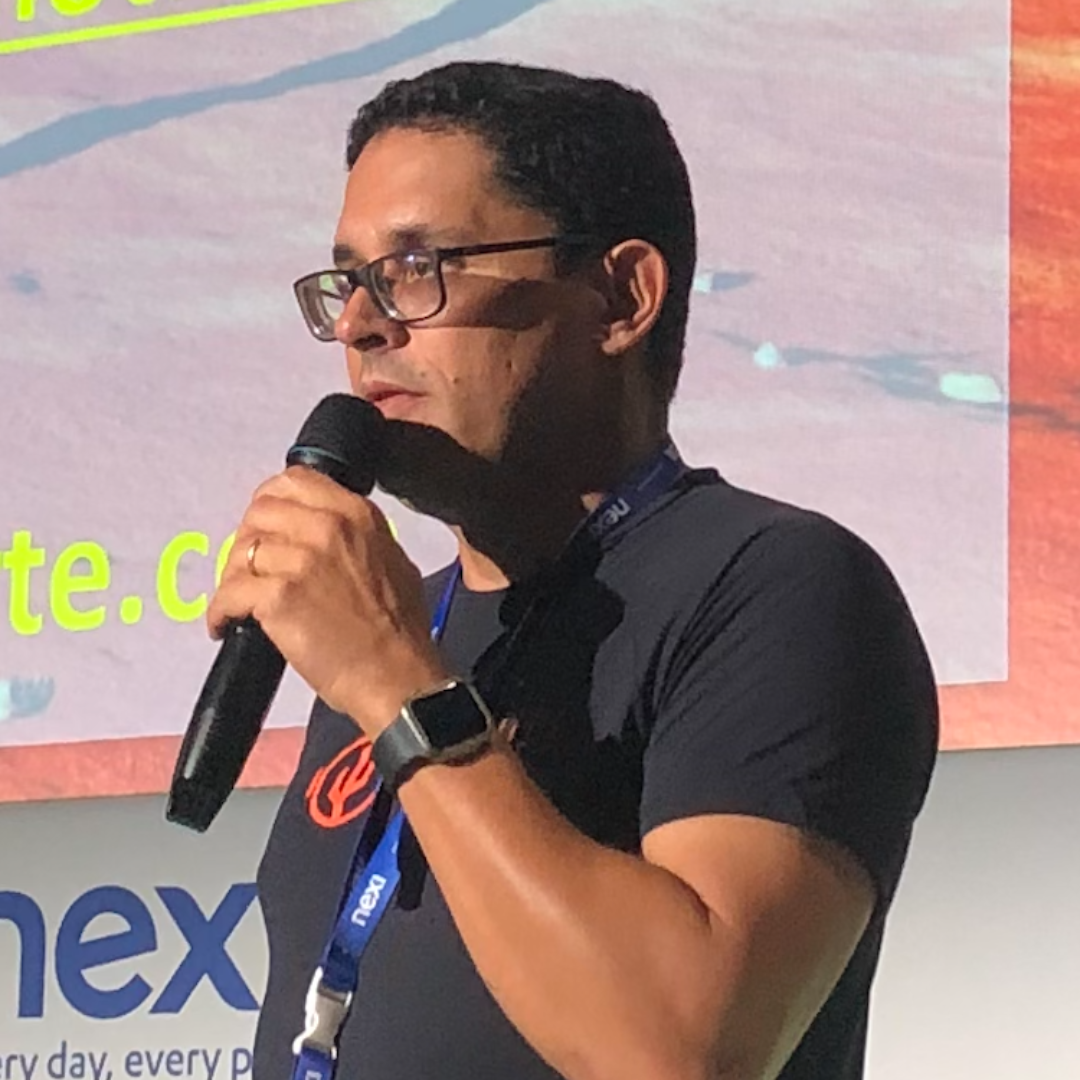
Julio Rezende is CEO of space analog station Habitat Marte, participated in more than 200 space analog mission, astronaut trainer, writer, UFRN professor, researcher on sustainability and space and director of the Federal Council of Administration – CFA.
Session Title:
Astrodesertanism: Cosmos and deserts influencing human consciousness— Insights from Habitat Marte and Desert-Based Space Analog Missions
Dr. Jenni
Hesterman
Presenter Bio:
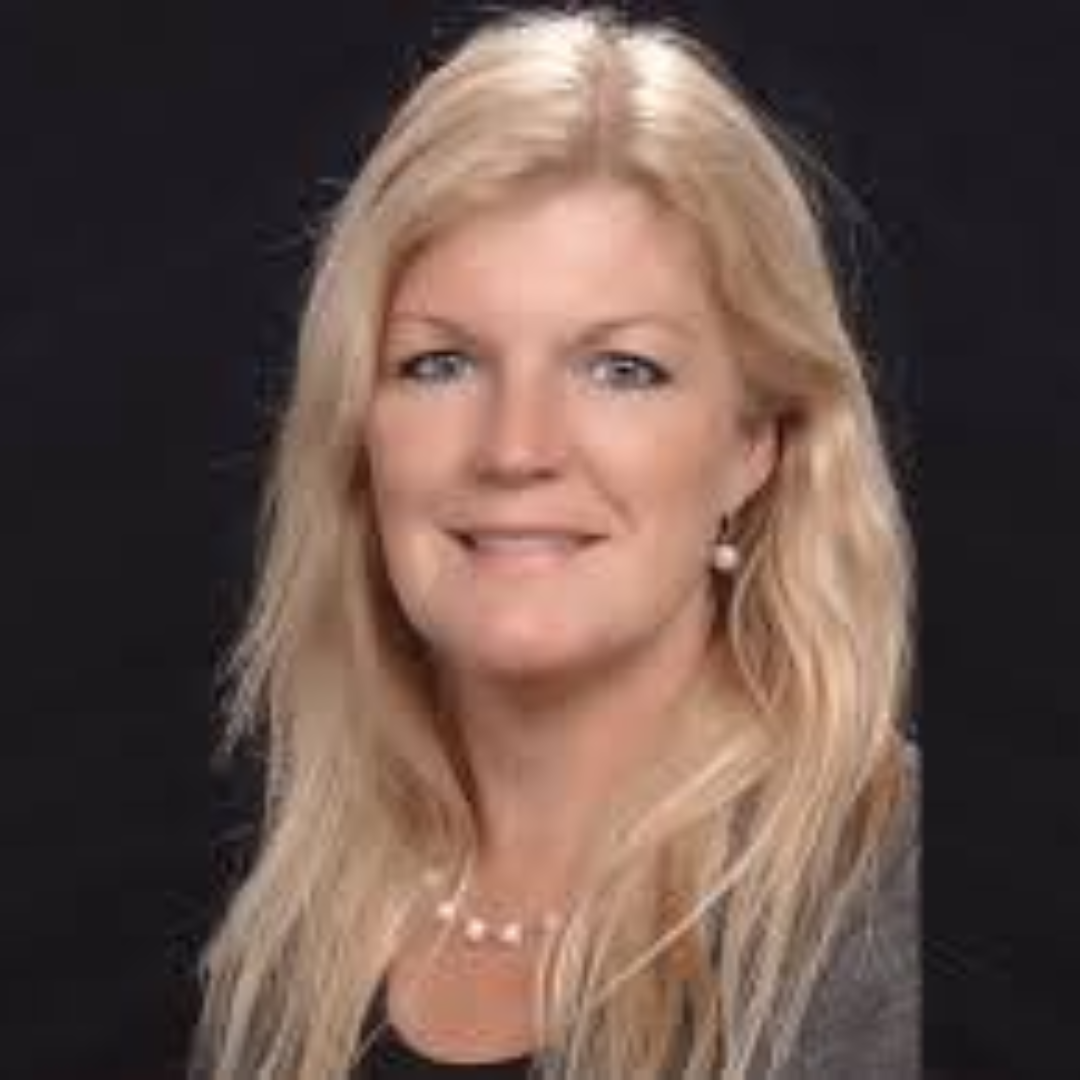
Jenni Hesterman is a retired U.S. Air Force Colonel, security expert, author, and globally recognized speaker specializing in leadership, risk management, and strategic resilience. With over 20 years of service in the military, including senior roles in counterterrorism and defense strategy, she brings a unique perspective on high-performance leadership in extreme environments.
Jenni is also deeply involved in advancing human space exploration through analog astronaut missions and interdisciplinary collaboration. Her work bridges the gap between security, innovation, and the future of human presence beyond Earth, helping organizations and leaders prepare for complex challenges both on Earth and in space.
Session Title:
Advancing the United Nations Sustainable Development Goals Through Space Analog Missions
Karim
Nahabet
Presenter Bio:
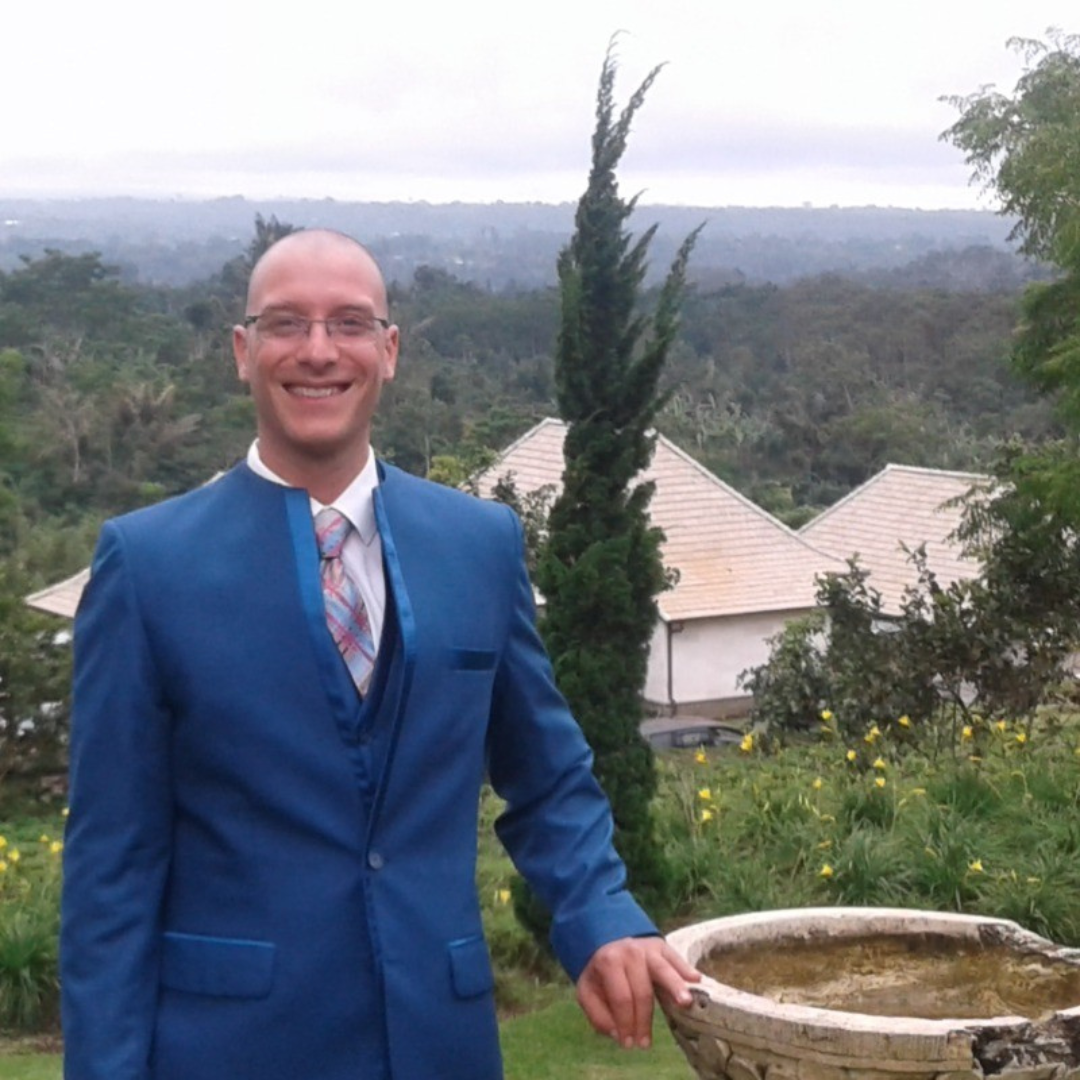
Karim Nahabet, born in Boston, Massachusetts, is a systems engineer, educator, meditation specialist, and analog astronaut commander dedicated to merging space systems operations with human performance. Inspired early by his father’s passion for rocketry and meditation - what Karim would later frame as 'AstroMeditation'- and his mother’s focus on health and balance, Karim has spent his career bridging science and consciousness.
He studied electrical engineering with a specialization in photonics and optical systems and began his career as an Applications Engineering Specialist at Labsphere Inc. Recognizing the role of stress in professional performance, he transitioned to Maharishi International University (MIU), where he studied consciousness and human potential, taught math, physics, and consciousness, and became a certified Transcendental Meditation instructor. He later founded a TM center in Pensacola, Florida, while also earning his MS in Systems Engineering specializing in space systems operations and human factors.
Karim has completed two missions at LunAres Research Station—one as Executive Officer, one as Commander—and now serves as Mission Director and Crew Commander for the Armenian Space Forum’s Armash Mars Research Station. His goal is to integrate AstroMeditation into astronaut training to enhance resilience, performance, and connection to humanity.
Session Title:
AstroMeditation - Optimizing Analog Astronaut Performance and Resilience. With Breathwork for the Stars
Matthias
Beach
Presenter Bio:
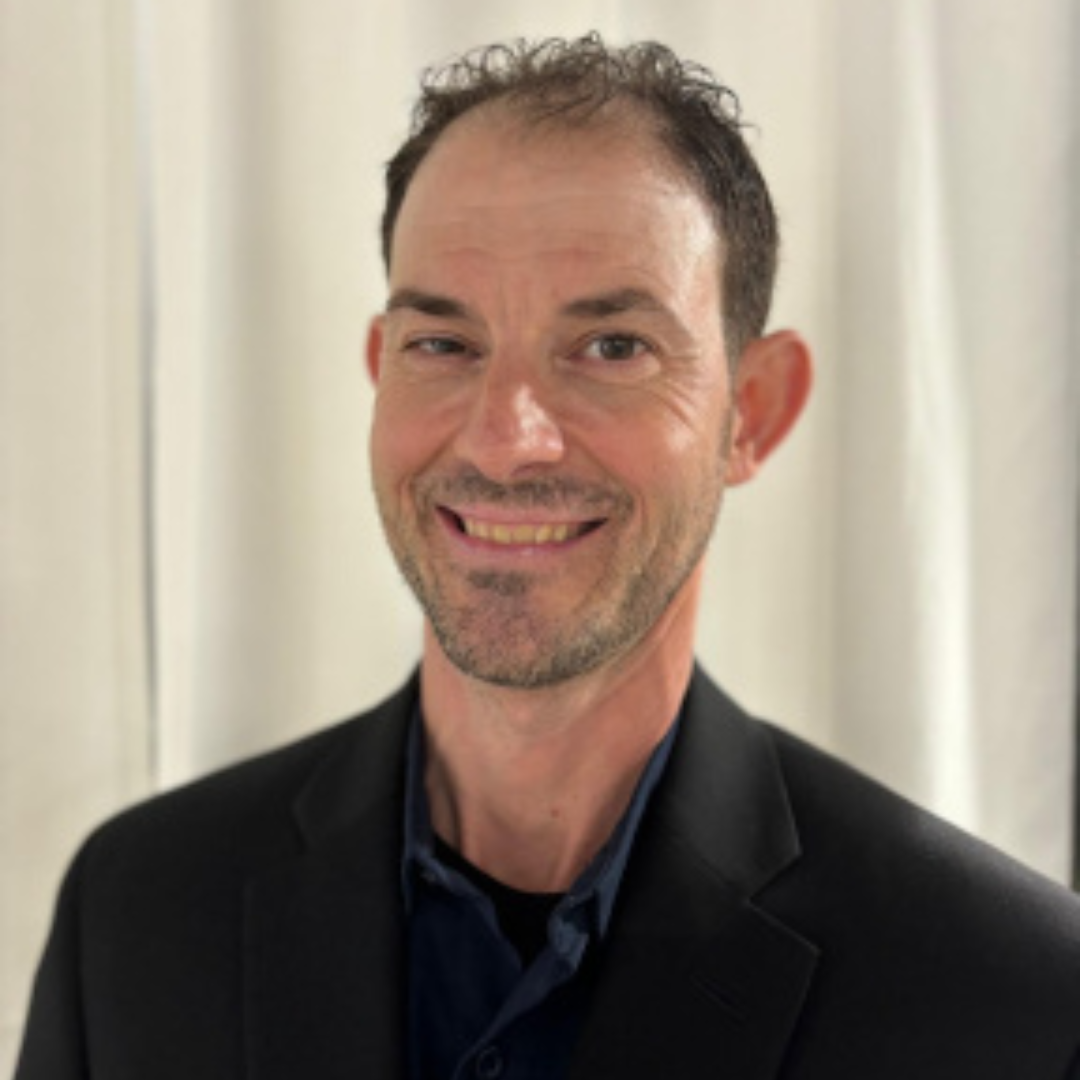
Matthias came to SAM as a volunteer, working on a farm in a place north of Spokane, WA. He now is considered the Master Builder after 3 years of literal blood, sweat and tears to building this facility out. He brings to the table a multitude of talents and has been instrumental in helping build up SAM to where it is today. A Veteran of the US Air Force as a Satellite Equipment and Switching Systems Technician, he is passionate about anything space and watches as many rocket launches as possible(even 'tank watching' at times). He is the Space Suit Technician and Gravity Offset Rig(RGS) Operator at SAM, along being the all around on-site maintenance and construction guy all year round.
Session Title:
Bioregenerative Life support Systems: My 2 week solo stay experience in SAM during the WBA
Mikołaj
Zawadzki
Presenter Bio:
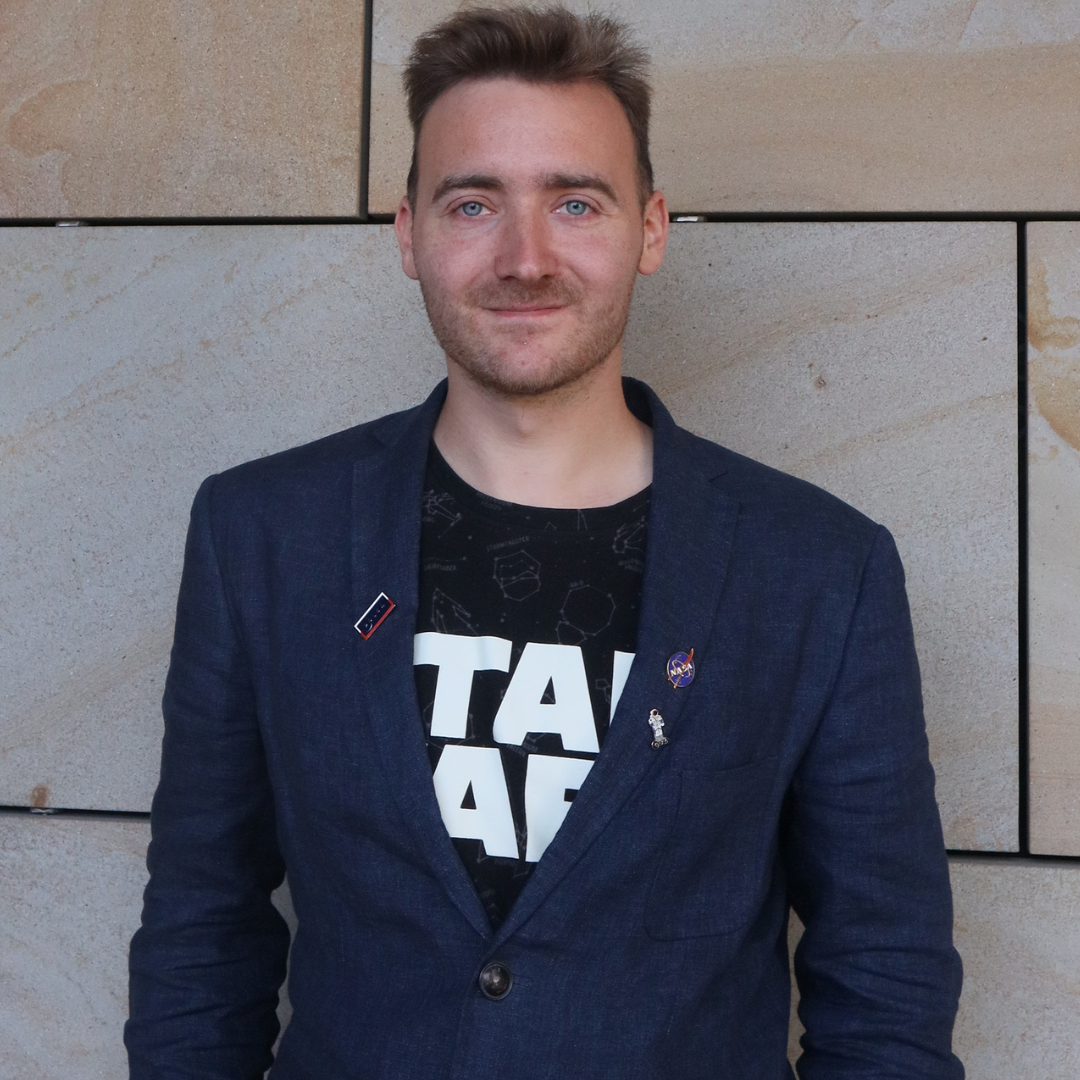
Mikołaj Zawadzki co-leads the RAF – Analog Space Mission project, which successfully implemented the world’s first temporary analog space base on a post-mining heap in Poland. He holds Bachelor’s and Master’s degrees in geophysics from the Faculty of Physics at the University of Warsaw and is currently pursuing a PhD focused on water extraction on Mars. Mikołaj also serves as the principal investigator of a project funded by the Ministry of Science of the Republic of Poland, studying magnetic anomalies caused by meteorite impacts in craters across Europe. He is currently leading a project to create an analog space base in an underground nickel mine in Lower Silesia (Poland), for which he received a grant from the Minister of Science. He is also the president of the Polish territorial committee of the International Association of Physics Students (IAPS).
Session Title:
Analog space base in a nickel mine in Poland

Yuliia
Biliak
Presenter Bio:
Yuliia Biliak is a biology student at the University of Warsaw and the Vice-President of the Scientific Club of Geophysics at the University of Warsaw. She actively co-develops research projects within the club and represents the unit at numerous events promoting the science and the space sector. The club is currently in the process of creating an analog space base in a nickel mine.
She is also involved in initiatives supporting women in STEM. Her scientific interests focus on astrobiology, forensic biology, and space medicine. Additionally, she actively supports the student sector as a volunteer during events organized by the Polish Association of Physics Students.
Session Title:
Analog space base in a nickel mine in Poland
Natalia
Godlewska
Presenter Bio:
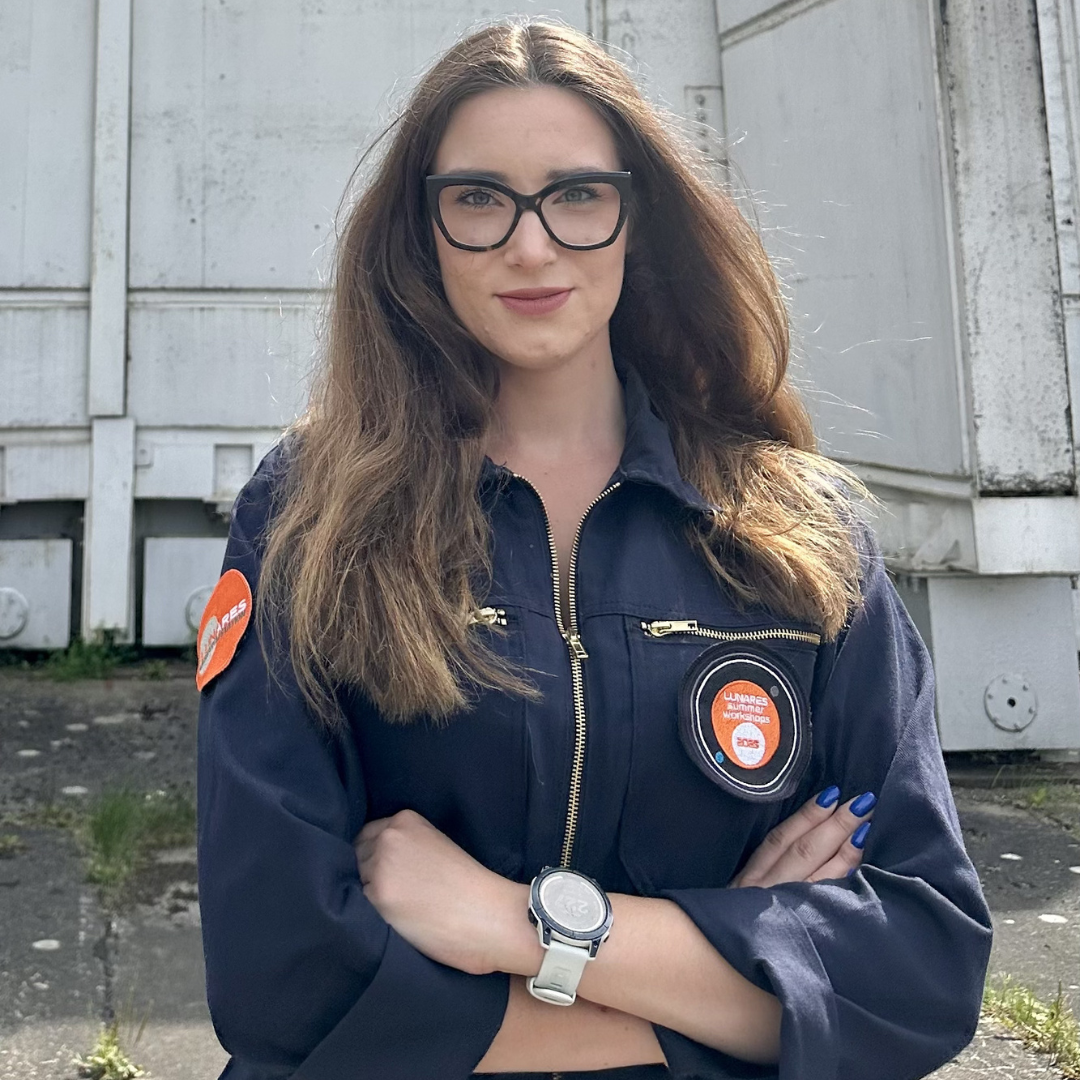
Natalia Godlewska is an astronomy student at the Faculty of Physics, University of Warsaw. She serves as President of the Geophysics Student Research Group and co-leads analog space habitat projects (RAF), simulating life and work in space conditions.
Natalia is Poland’s National Point of Contact in the Space Generation Advisory Council (SGAC) and represents the country internationally. She is also Scientific Director at the Polish Space Industry Foundation and a member of the Student Council to the President of the Polish Space Agency.
She hosts the podcast Astronatka - “Kosmos na podsłuchu”, serves on the board of the Polish Association of Physics Students, and is Editor-in-Chief of the space news section of Polish Space Journal.
Session Title:
Beyond the Perfect Astronaut: Who Gets to Live on Mars?
Nicole
Bolado
Presenter Bio:
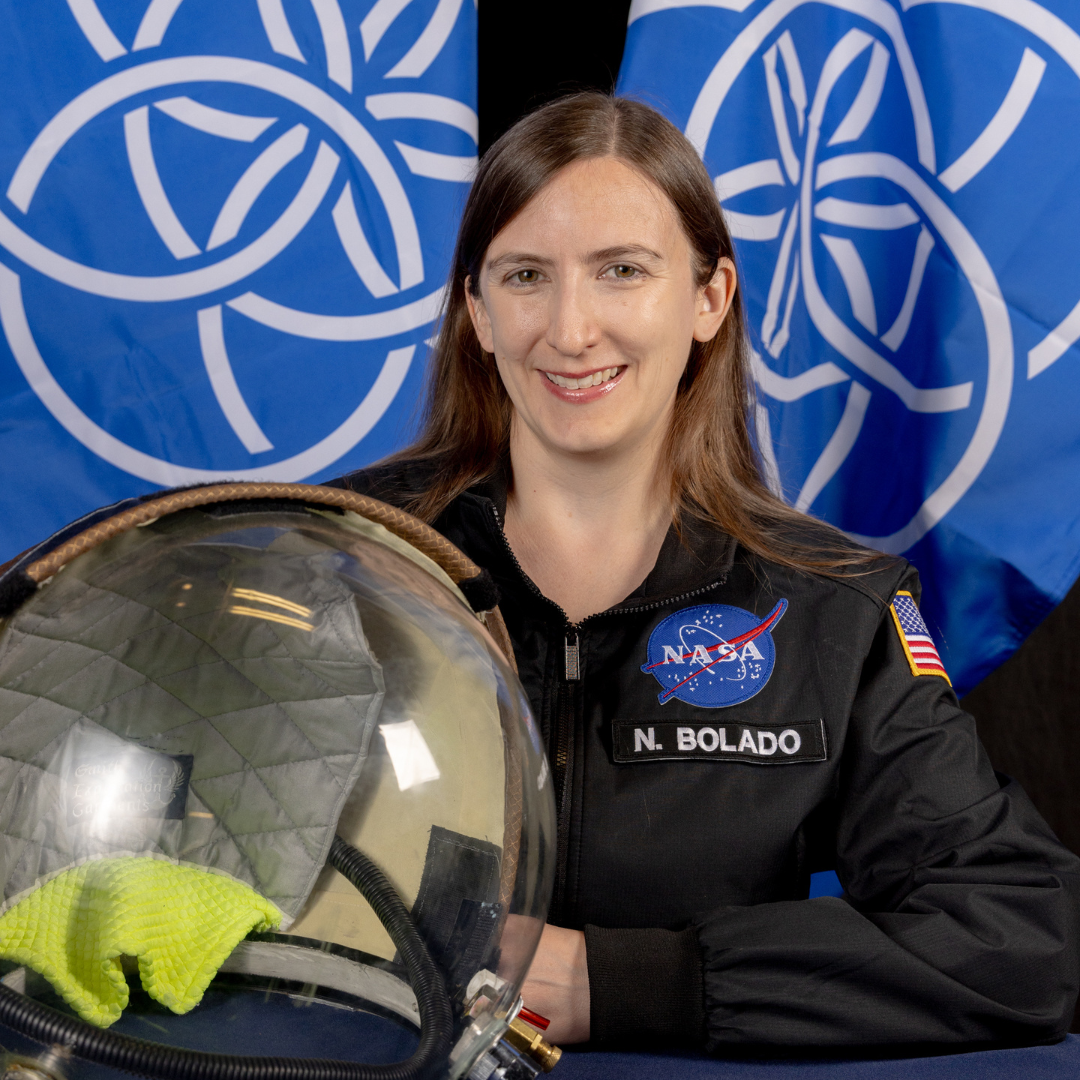
Nicole Bolado is a chemist at NASA’s Kennedy Space Center and an experienced analog astronaut who has participated in multiple simulated lunar missions. Her analog research focuses on translating laboratory science into mission-ready experiments, such as integration of microgreens experiments in confined habitats. When she’s not in a lab or a habitat, Nicole enjoys photography, singing into the void on YouTube, running for reasons that make sense only to her, and spending quality time with her husband and their furry overlords. She is passionate about sharing science and the spirit of exploration to advance humanity’s future beyond Earth.
Session Title:
Lettuce Go to the Moon: What Analog Missions Teach Us About Space Crop Viability
Russ
Nelson
Presenter Bio:
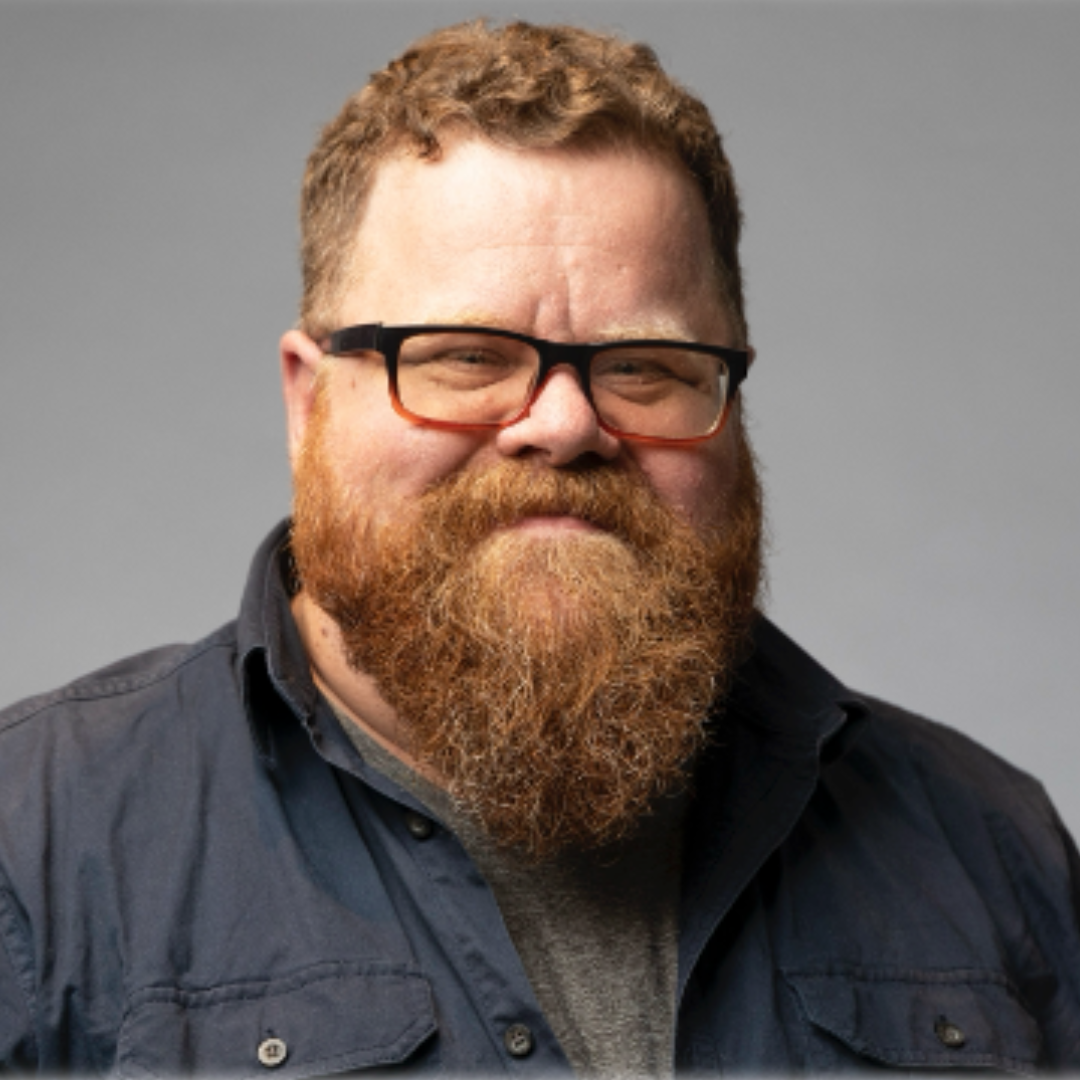
Disaster & Emergency Management Professional, Russ Nelson holds a Master’s in Disaster and Emergency Management He is known for his ability to navigate complex crises with precision and strategic insight. With a background spanning the military, healthcare, and government sectors, he has led large-scale emergency responses, ensuring operational continuity and public safety during critical incidents.
Russ’ consulting work specializes in risk assessments, emergency planning, and incident management training, helping organizations enhance their crisis readiness, disaster preparedness, incident response processes, and recovery capabilities. His leadership has been instrumental in supporting the management of disaster impacts (from floods, wildfires, evacuations, and critical infrastructure failures), where his decisive actions and expertise in command structures have safeguarded lives and operations.
Session Title:
Establishing a Governance-Based Safety Architecture for Mars Analog Missions
Sandra
Herrmann
Presenter Bio:
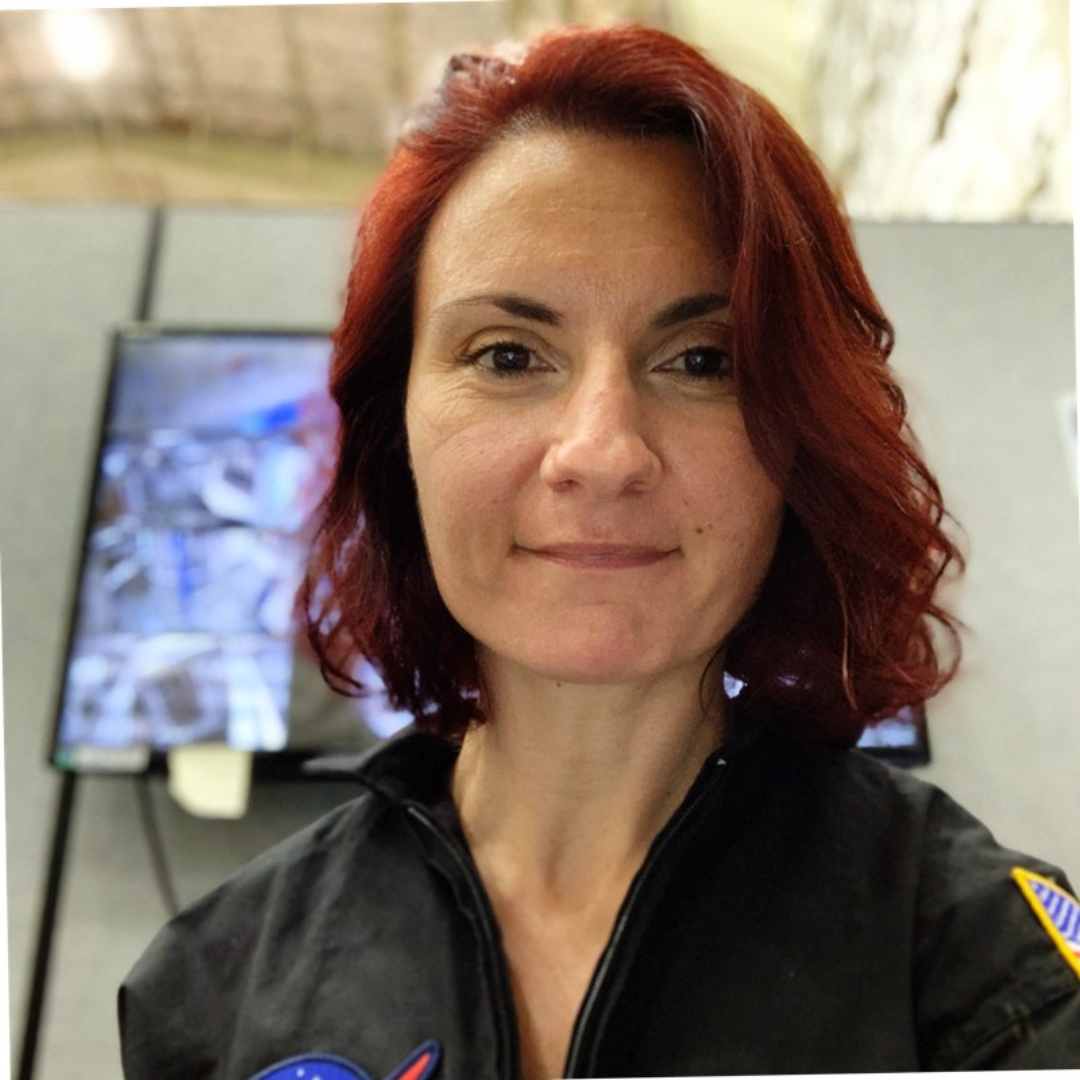
Dr. Sandra Herrmann is a NASA analog astronaut, mentor, marine research support specialist, pilot, geologist, and paleontologist. Sandra has successfully participated in HERA and Exploration Atmosphere at NASA's Johnson Space Center. She has supported marine research on remote platforms (research ships) in person and as shore support for almost 20 years. She received her education in geology and paleontology from Freiberg University of Mining and Technology in Germany, as well as the University of Zurich, Switzerland.
Sandra's hobbies include flying airplanes, hiking, weight lifting and cuddling with her cat, Tiger.
Session Title:
The Integrated Crewmember: Bridging Technical Rigor and Psychological Resilience in Analog Environments
Tasha
Coelho
Presenter Bio:
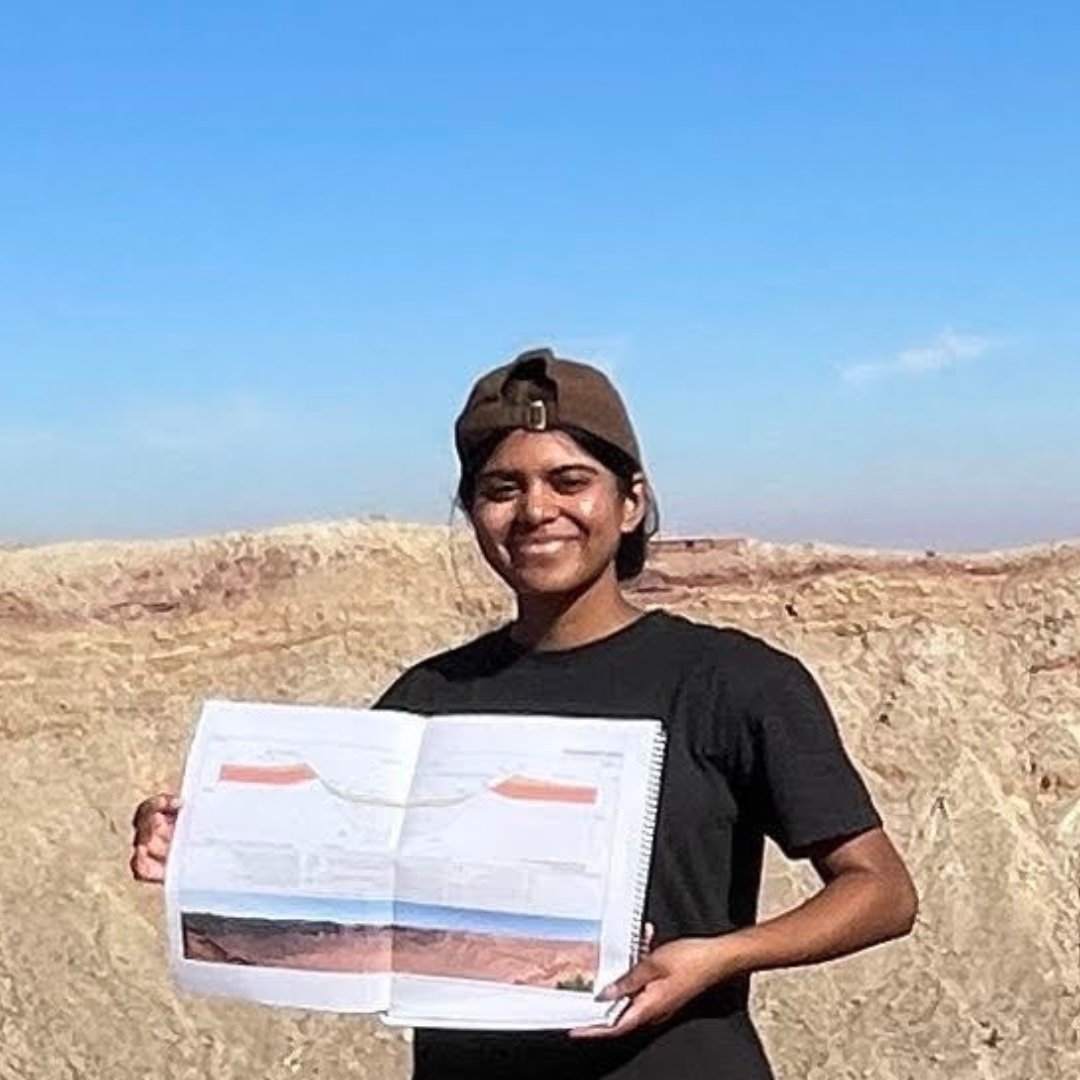
Tasha Coelho is a data analyst on the Perseverance Rover’s Mastcam-Z Instrument and member of NASA’s Mars 2020 Science Team. Her recent research focuses on how dust evolves on the Mars rover surfaces. She co-designed SAM’s Mars Yard.
She is a former Lunar Reconnaissance Orbiter Camera data analyst and active member of the Lunar Exploration Analysis Group (LEAG). She has planned and conducted mock Artemis III EVA sampling strategies and traverse operations in the volcanic terrains of Flagstaff, Arizona.
Session Title:
On the Nature of Martian and Lunar Dust
Thorsten
Eschweiler
Presenter Bio:
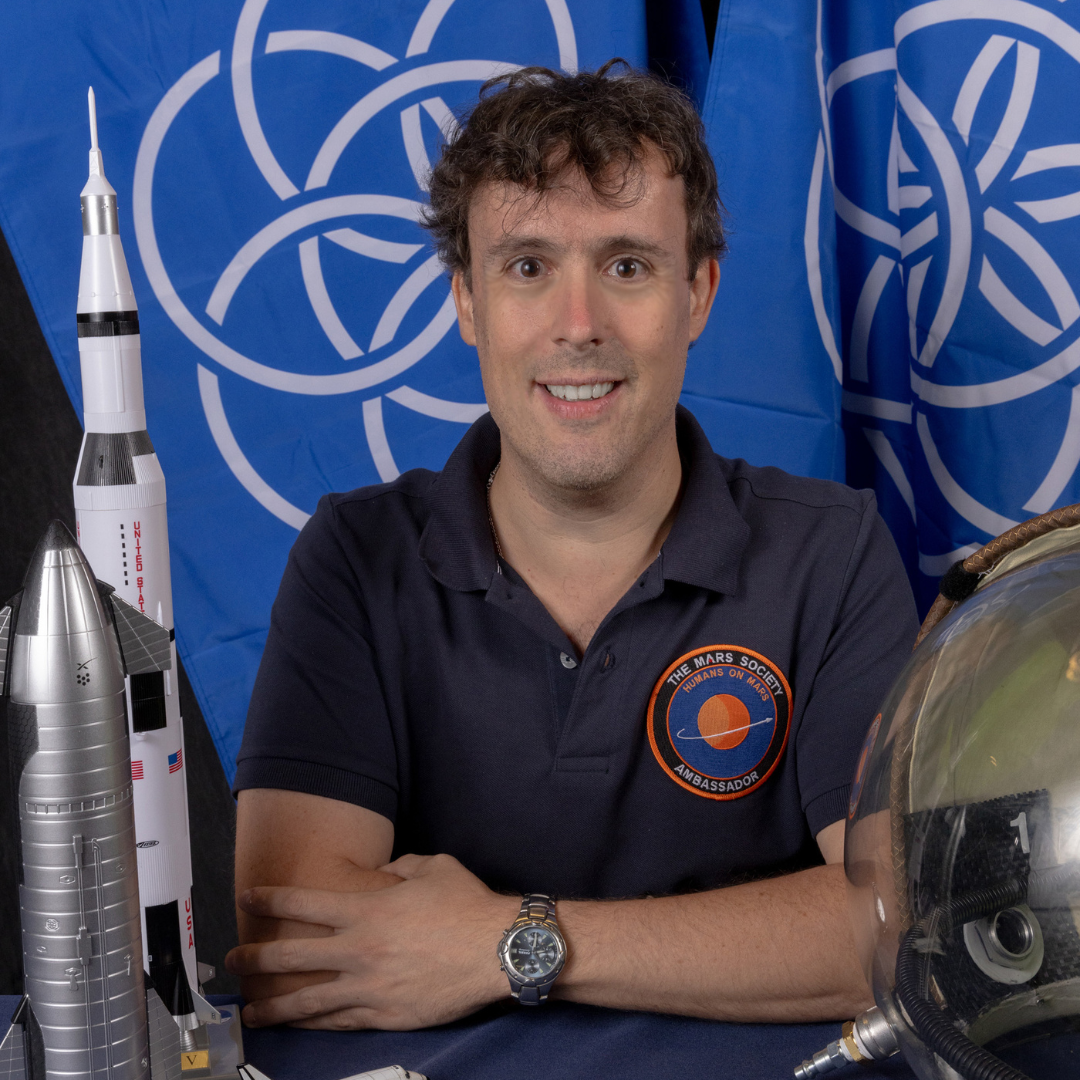
Thorsten is a frontier-driven multiplanetary pathfinder and PADI Open Water Scuba Instructor, committed to advancing space exploration as a co-founder of the Mars Technology Institute and a devoted Mars Society ambassador. As an analog astronaut candidate for the World’s Biggest Analog (WBA), he contributed to mission success through MICO-VIE coordination uniting 16 habitats across continents. A member of The Inspired 24/I24 Innovation, and an alumnus of SpaceKind 11 and on-site WBA Stellar Training for Analog Readiness (STAR) by Interstellar Performance Labs (2025), he pursues exploration that moves humanity toward a sustainable, spacefaring future, while advancing life on Earth. From ocean depths to orbital horizons to Martian heights, Thorsten is dedicated to advancing analog mission readiness at the nexus of diving, extreme environment operations, cognitive resilience, and human spaceflight - open to collaborations advancing these frontiers.
Holding a Bachelor of Science in Geosciences from the University of Bonn, Germany (thesis and project on Martian geological mapping and crater frequency distribution analysis for surface evolution), and a Certificate of International Competence, Thorsten earned graduate certificates in “Mars Settlement and Exploration"" and “Mars Science and Engineering” from Mars University (MarsU). Furthermore, he completed Spacesuit Training Level I at Biosphere 2 (CHaSE).
On the leading collaborative research platform Zooniverse, he conducts sustained analysis of complex datasets, amassing over 1.2 million classifications (6,700+ hours) to drive data insights and advance peer-reviewed research in astronomy and planetary science. Key contributions: recovering a known trans-Neptunian object for the Catalina Outer Solar System Survey; multiple Gravity Spy acknowledgements for glitch classifications enhancing LIGO machine learning; discovery recognitions from The Daily Minor Planet; superclassifier status for high-precision inputs supporting active asteroid discoveries; facilitating Backyard Worlds science discovery pipelines; and co-authorship on a TESS paper discovering a new planetary system.
As a research scholar in interdisciplinary initiatives, he authored ""Evolution of Martian Exploration"" and ""Evolution of Space Exploration.""
In exploratory collaboration with Mind Alive Inc., he explores Randomized Audio-Visual Entrainment Technology (RAVE/AVE) integration pathways for enhancing cognitive and human performance in analogs, building a sustainable infrastructure for human thriving in extreme environments on Earth and beyond. Since 2023, he has presented on the technology´s relevance to human factors in space and holds a neurotechnology certificate from Mind Alive Inc.
Following a one-year Working Holiday via International Experience Canada, he volunteered in nature conservation in the Dutch Caribbean and Iceland. In 2023, he interned in marine science, research, education, and conservation diving in Koh Phangan, Thailand, followed by participation in reef restoration and diving in Bali, Indonesia. He bridges sustainability with extraterrestrial exploration across the Asia Pacific.
Thorsten witnessed his first rocket launch with Artemis I and aspires to become an analog astronaut en route to spaceflight. He views space ventures as catalysts for planetary peace and sustainability, and advocates blockchain technology to achieve global harmony. With a prospective dive instructor internship in Asia Pacific and technical diving training, he sees scuba mentorship as a scalable pathway for citizen astronauts and communities - aiming to reach escape velocity toward spacefaring readiness.
Session Title:
From Ocean Depths to Orbital Horizons to Martian Heights: Scuba Mentorship as the Scalable Pathway for Citizen Astronauts and Communities on Earth and Beyond
Dr Claire
A. Nelson
Presenter Bio:
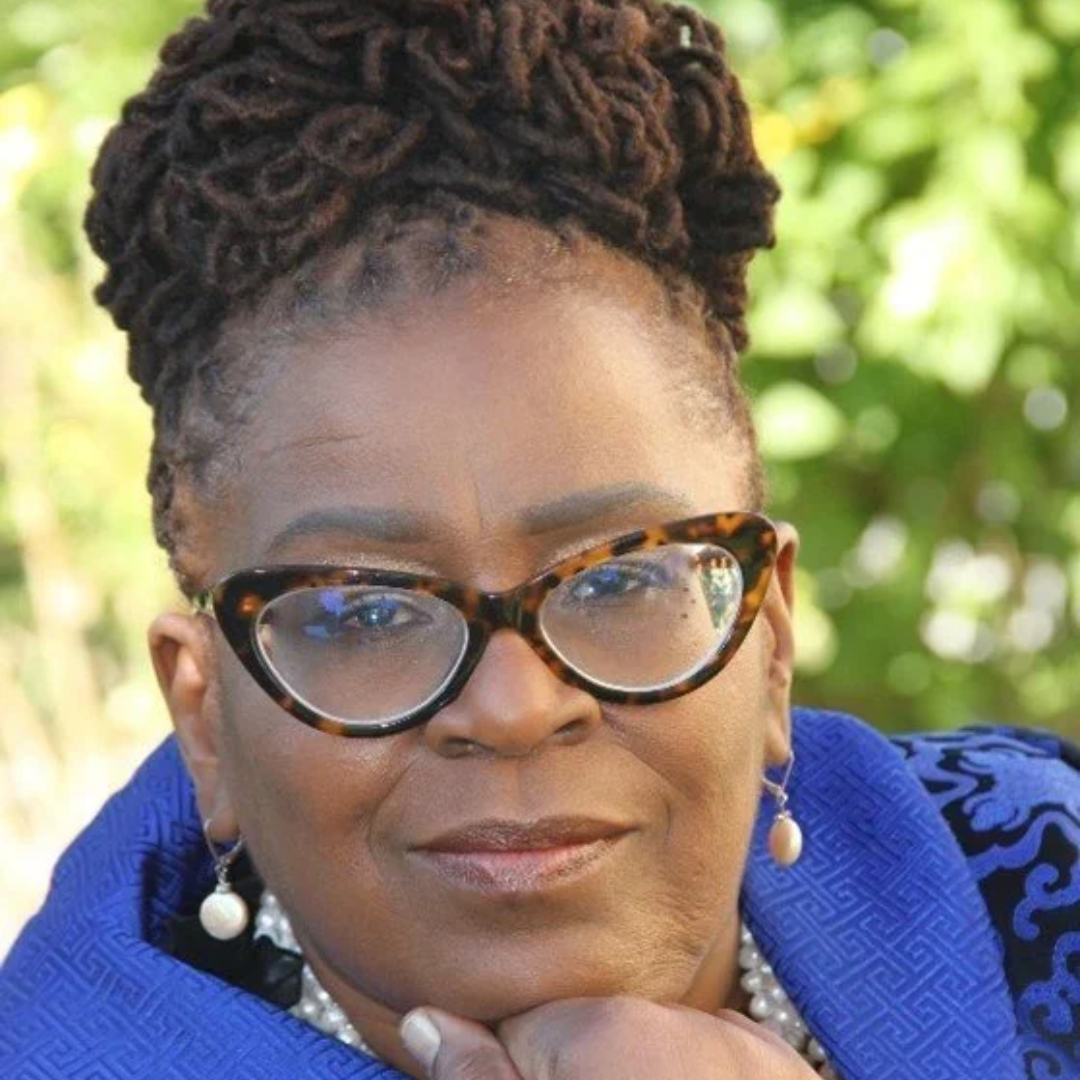
Dr. Claire Nelson, Chief Visionary Officer of The Futures Forum, listed among Forbes Top 50 Female Futurists is Founding Convenor of the global community of practice, Space Futures Forum. The Curator of Space Ungana – an international conference for advancing space research and education in Africa, she is also Founder of Open Afrika Space Exploration Analog Simulation, Co-Founder of the Caribbean Space Society, and Advisor to groups such as, Institute of Space Law and Ethics/For All Moonkind, Space for Humanity, Engineering for One Planet, and SpaceKidz India.
Dr. Nelson, author of the game-changing book “SMART Futures for a Flourishing World: A Paradigm Shift for Achieving Global Sustainability” is a sought-after speaker, with engagements including, International Space University, Saudi Space Debris Conference, Dubai Futures Forum, UNESCO Futures Festival, the UN-OOSA Emerging Space Nations Workshop, the World Bank, the Pacific Summit, and the White House. She serves as Futurist-in-Residence supporting the establishment of Sustainable Futures Labs in Engineering Schools in Universities in Africa and the Caribbean. A former member of the Board of the World Futures Studies Federation, she remains Editor-At-Large of its flagship magazine Human Futures. Her solo-storytelling show ‘Moon Runnings: The Life and Times of the First Jamaican on the Moon’ illuminates the challenges and hopes for human space exploration in service of all humanity.
Before establishing The Futures Forum, Dr. Nelson conjured change at the Inter-American Development Bank over a thirty-year career, pioneering the Bank’s development with equity agenda, and strategic foresight as a tool for engendering development effectiveness. As result of her leadership, the Bank honored her with its coveted Ortiz Mena Award.
A social entrepreneur, Dr. Nelson is Founding President of the Institute of Caribbean Studies, Washington DC, and Curator of the Annual Caribbean American Legislative Forum on Capitol Hill and has been commended in the US Congressional Record for her leadership as the Convening Chair of the Campaign for June as National Caribbean American Heritage Month.
Her honors include being named a Global Goodwill Ambassador for UN International Moon Day by the Moon Village Association, Finalist for Playmaker of the Year at the Global Space Awards, recognition by ASCEND (Diverse Dozen) for her advocacy for a Space Futures Collaboratory for space sustainability, Outstanding Alumni by Purdue University School of Industrial Engineering, and a Leadership Award from NSBE Aerospace Special Interest Group. The White House Champion of Change holds a Doctorate in Engineering Management from George Washington University.
Session Title:
Operational Guideline Development from Africa’s First Lunar Desert Analog Habitat: Lessons from Mission MWEZI One
Walter
Ross
Presenter Bio:
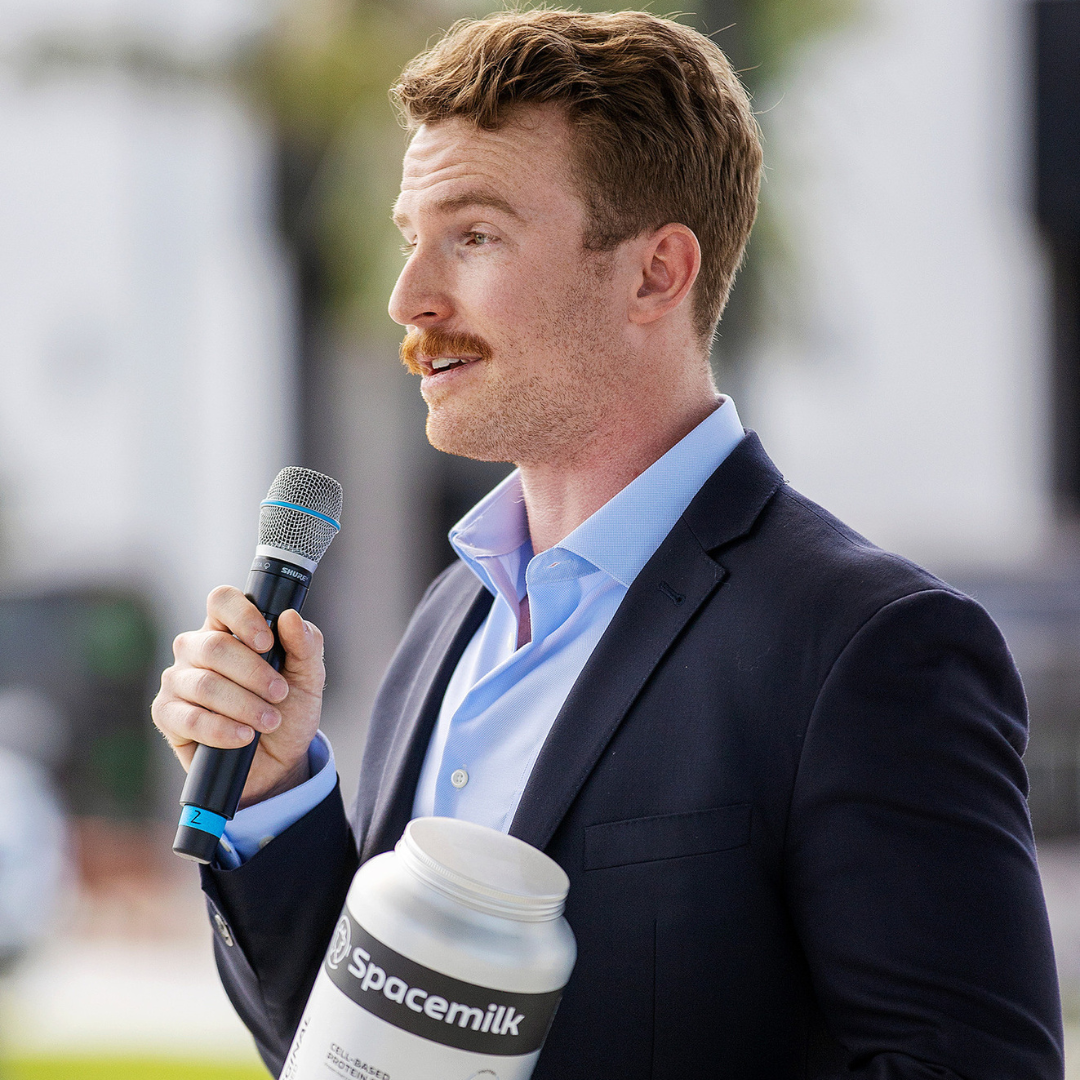
Walt is the founder and CEO of Spacemilk, a nutrition project unlocking life's foundational biology to fuel human potential. Spacemilk starts with the simplest forms of life — organisms that have been converting energy and minerals into organic nutrients for billions of years — and harnesses these maximally efficient producers to supply everything we need to thrive anywhere, even beyond Earth.
Walt is driven by one of humanity's oldest constraints: food, water, shelter. What would be possible for our species if we no longer needed crops, livestock, or even a planet to feed ourselves? What would be possible if we had everything we needed to thrive every day, all the time, anywhere we go?
Session Title:
The Simplest Forms of Life: A Roadmap to Feeding Humans Anywhere
Select a Day Below to View the Detailed Agenda
🎟️ Get Your AAC 2027 Ticket at a Crazy Discount
🕒 This Deal Ends When AAC 2026 Does.
Secure your spot for next year right now at the lowest price it will ever be.
✅ No risk—full money-back guarantee through February 2027. 👇 Grab Your Ticket Now